
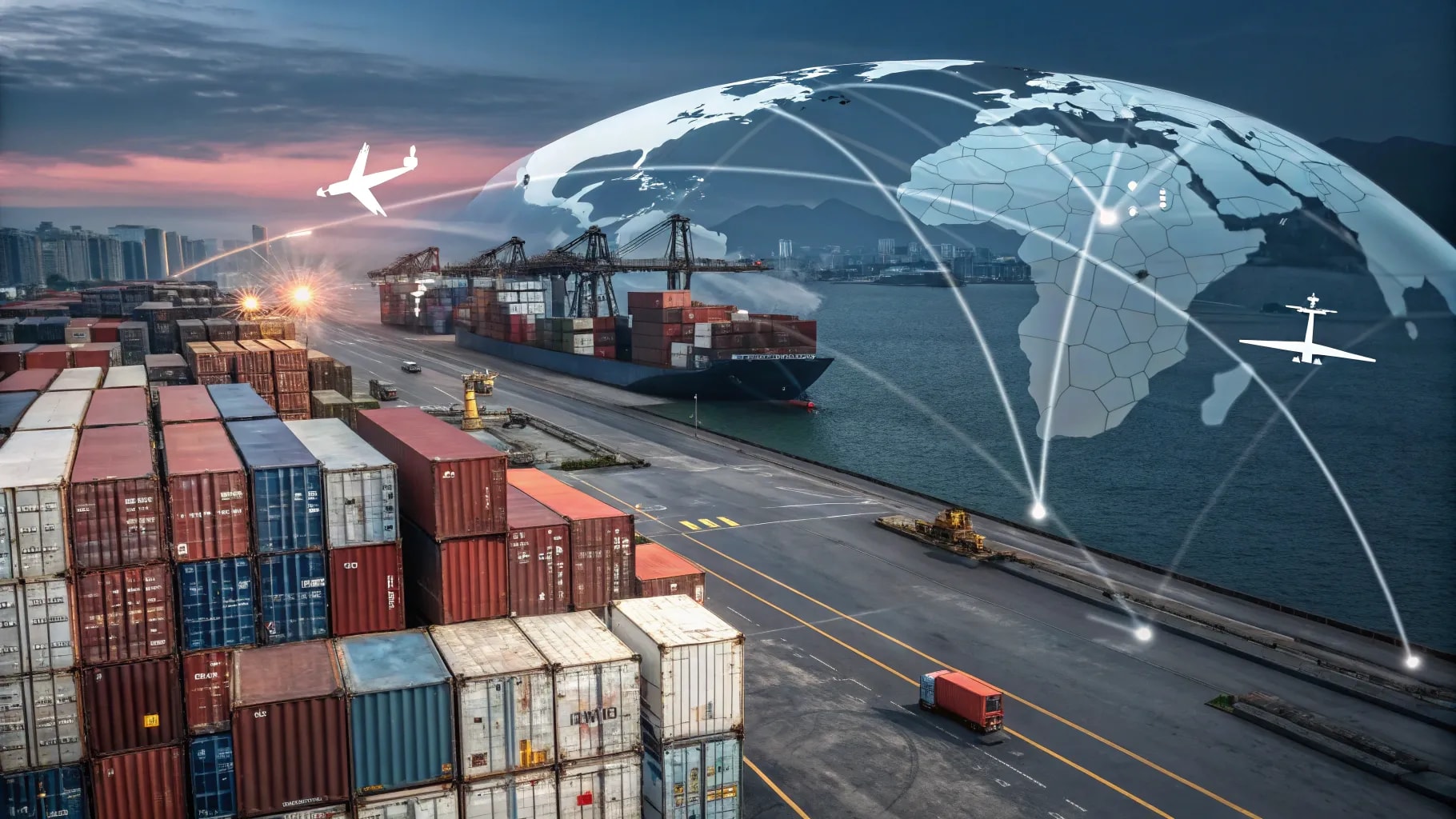
The landscape of international trade has undergone significant changes in recent years, particularly in the context of tariffs imposed by the United States on Chinese imports. When the U.S. threatened a staggering 145% tariff on these goods, it wasn’t just factories that felt the tremors; an entire shadow economy sprang into action. In this article, we will explore the hidden mechanisms at play, the tactics employed by suppliers to circumvent these tariffs, and what every U.S. importer needs to know to protect themselves from potential legal pitfalls.
The Emergence of a Shadow Economy
With the imposition of tariffs, one might expect a decline in imports from China. However, the opposite occurred. Behind the scenes, a complex and often illicit economy emerged, characterized by fraudulent practices such as fake paperwork, ghost routes through Southeast Asia, and promises of shipping that bypass massive duties. While these schemes may sound appealing to importers looking to save on costs, they are fraught with risks that can have serious legal consequences.
Understanding the Mechanisms of Fraud
The reality is that many importers are unaware of the extent of the fraud occurring within their supply chains. The use of under-declared values, forged documents, and relabeled shipments to conceal true origins are common practices. Even with a recent announcement by the Trump administration to pause new tariffs for 90 days, the pressure on importers remains high. Importers are still facing over 30% in additional costs due to existing duties. The pressure has merely shifted underground, continuing unabated.
The Role of Trust in Supplier Relationships
Trust plays a significant role in the relationship between importers and suppliers. Many importers, often with years of collaboration under their belts, find themselves in precarious situations when suppliers offer seemingly too-good-to-be-true deals. For instance, one supplier suggested covering the entirety of the duties and tariffs, making it sound like a no-brainer. However, such offers often come with hidden risks that can jeopardize the importer’s business.
The DDP Method Explained
One of the tactics used by suppliers is the DDP (Delivered Duty Paid) method. This arrangement means the seller is responsible for all aspects of shipping, including customs duties and taxes, until the goods arrive at the buyer’s doorstep. While this may appear to be a hassle-free solution, it can mask underlying fraud.
When a supplier suggests that the importer won’t be the importer of record, it raises a red flag. The importer of record is legally responsible for any discrepancies, fraud, or undervaluation that may occur during shipping. If a supplier is willing to take on this role, it often indicates that they plan to undervalue the shipment, thereby committing customs fraud.
The Nonresident Importer Loophole
The concept of a Nonresident Importer (NRI) complicates matters further. NRIs can be set up with astonishing ease; they do not need to be U.S. citizens or have a local address. In many cases, suppliers in China can establish NRIs to import goods, effectively sidestepping legal repercussions. If customs flags any issues, these suppliers can simply create a new shell company and continue their operations.
The Risks of Shell Companies
Many freight forwarding companies have taken advantage of this loophole, establishing U.S.-based shell companies to act as the importer of record. This tactic creates an illusion of legitimacy, as the goods appear to be coming from a U.S. entity rather than directly from China. However, this façade can crumble quickly if these shell companies are caught, as they often dissolve and re-emerge under different names, perpetuating the cycle of fraud.
Transshipment: A Risky Alternative
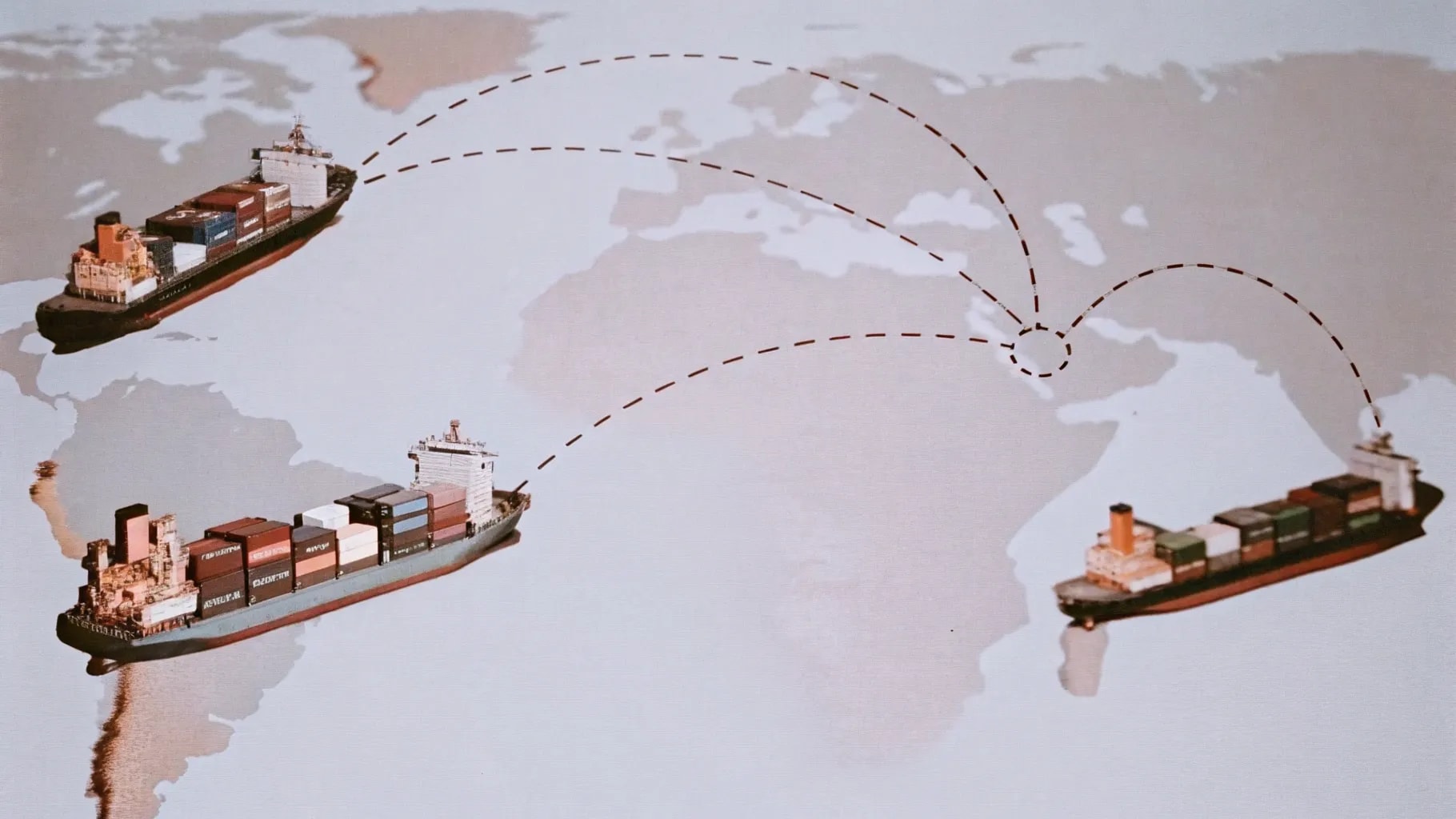
Another prevalent method for evading tariffs is transshipment, where goods are first sent to a third country, such as Vietnam or Cambodia, before entering the U.S. This approach allows suppliers to relabel products, falsely declaring them as originating from a neutral country. While this may initially appear to be a clever workaround, it poses significant risks, especially as U.S. customs and international regulations tighten.
The Crackdown on Transshipment
Countries like Vietnam and Thailand have begun to implement stricter regulations regarding the verification of certificates of origin. New rules require exporters to submit detailed production records and documentation proving the true origin of their goods. This is a clear indication that governments are becoming increasingly aware of the tactics being employed to circumvent tariffs.
In South Korea, customs officials have uncovered numerous tariff fraud cases involving products falsely labeled as made in Korea. The significant increase in violations has prompted the establishment of dedicated task forces to combat fraudulent practices, further tightening the noose around these illicit operations.
What Happens When the Loopholes Close?
As enforcement measures become more stringent, suppliers will likely seek new ways to navigate these challenges. However, turning to smaller nations such as Cambodia may only provide a temporary solution. If U.S. customs notices an unusual spike in imports from countries with smaller manufacturing bases, it will raise red flags and lead to increased scrutiny.

Legal Consequences of Customs Fraud
The implications of engaging in customs fraud are severe. Knowingly falsifying a product’s country of origin is a federal offense, with penalties ranging from hefty fines to prison sentences of up to 20 years. The Department of Justice and U.S. Customs and Border Protection are ramping up enforcement efforts, particularly targeting transshipment schemes from China to Vietnam.
What Should Importers Do?
Given the high stakes of engaging in fraudulent practices, importers must exercise caution. While the DDP method may seem like an appealing option, it carries significant risks. If any part of the customs paperwork lists the importer’s name, they could still be held liable, regardless of the supplier’s assurances.
As the landscape of international trade continues to evolve, it is imperative for importers to stay informed about the tactics being employed by suppliers and the potential legal ramifications.
Conclusion: Awareness is Key
In an era where tariff fraud is rampant, staying vigilant is crucial for anyone involved in importing goods from China. The shadow economy that has emerged in response to tariffs is not only complex but also fraught with risks that can lead to severe legal consequences. Importers must take proactive measures to protect themselves by understanding the intricacies of customs regulations and the potential pitfalls of their supply chains.
As enforcement ramps up, the landscape will continue to shift, and it is essential to be prepared for the changes ahead. By being informed and cautious, importers can navigate these treacherous waters and safeguard their businesses against potential fraud.
FAQ
What is the DDP method?
DDP stands for Delivered Duty Paid, meaning the seller takes responsibility for all shipping costs, including customs duties and taxes, until the goods arrive at the buyer’s location.
What is a Nonresident Importer (NRI)?
An NRI is a company that can import goods into the U.S. without needing to be a U.S. citizen or having a local address. This makes it easier for foreign suppliers to bypass legal responsibilities.
What are the risks of using shell companies for importing?
Shell companies can dissolve quickly if caught engaging in fraud, allowing suppliers to escape legal repercussions and continue their operations under a new name, perpetuating the cycle of fraud.
How are countries cracking down on transshipment?
Countries like Vietnam and Thailand have implemented stricter regulations, requiring detailed documentation to prove the true origin of goods to prevent fraudulent practices.
What are the legal consequences of customs fraud?
Engaging in customs fraud can result in severe penalties, including hefty fines and imprisonment for up to 20 years, particularly if tied to larger fraudulent schemes.
