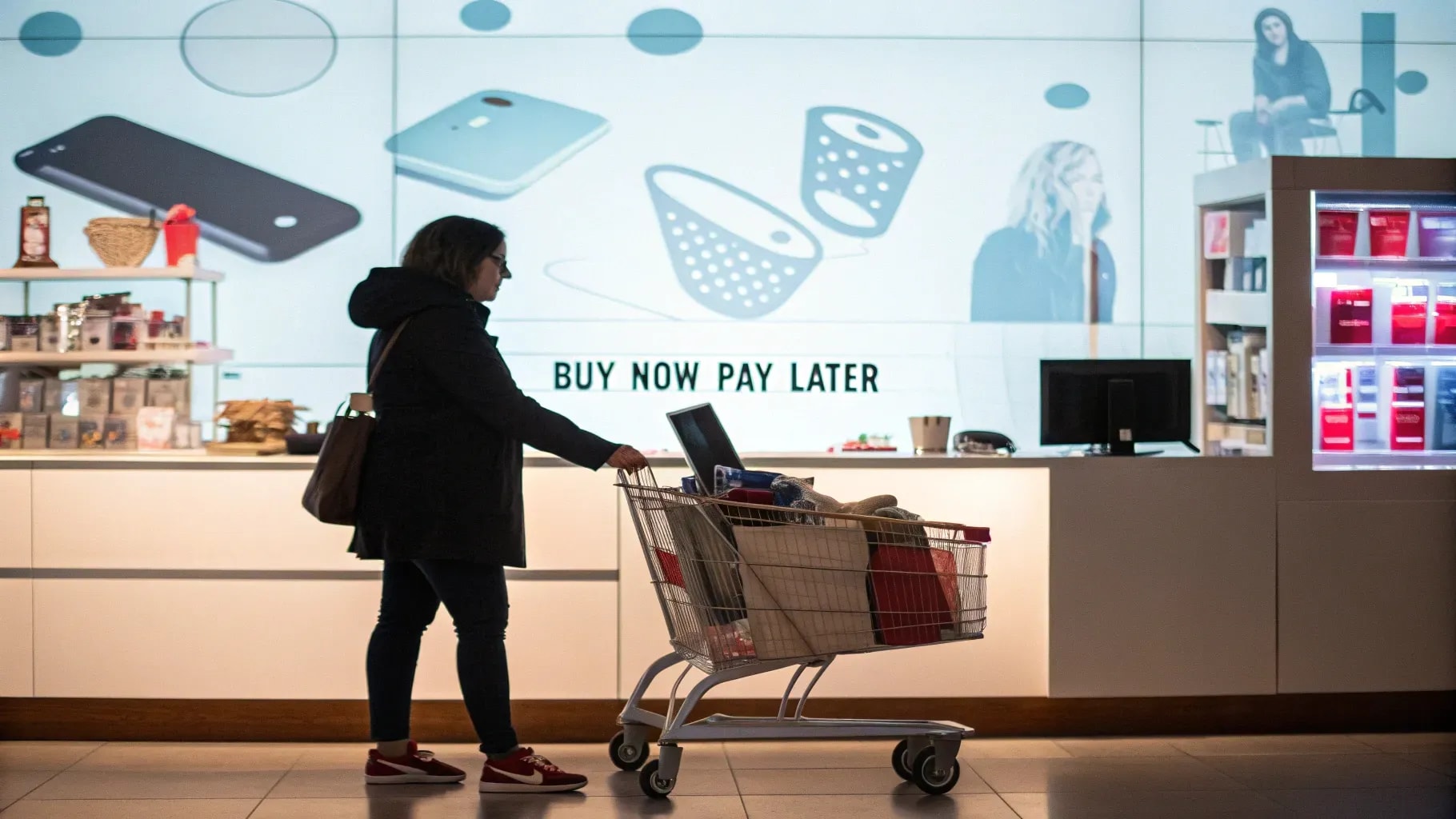
In recent years, the rise of Buy Now Pay Later (BNPL) services has transformed the landscape of consumer finance. With companies like Afterpay, Klarna, and Affirm leading the charge, consumers are lured into a seemingly convenient payment system that allows them to split their purchases into manageable installments. While this may appear harmless or even beneficial, a deeper examination reveals that these services are quietly driving millions of Americans deeper into debt. This article explores the hidden dangers of BNPL, its impact on consumer behavior, and the broader implications for the economy.
The Allure of Buy Now Pay Later
At its core, BNPL offers a tempting proposition. Imagine seeing a $300 gadget at checkout, but instead of paying the full amount upfront, you can opt for four easy, interest-free payments of $75. It feels like free money. There are no credit checks, no waiting, just a simple click, and the product is yours. This immediate gratification is a powerful motivator, especially in a culture that increasingly normalizes financing everything, from luxury items to everyday groceries.
However, beneath this glossy surface lies a troubling reality. Many consumers are unaware of the financial pitfalls associated with BNPL. Reports indicate that over 60% of users have multiple active loans, often financing everyday purchases like takeout food and skincare products. This shift in consumer behavior raises serious questions about the long-term sustainability of such financing models.

Understanding the Cultural Shifts
Three major cultural shifts have contributed to the widespread adoption of BNPL services:
- Normalization of Financing: In today’s economy, financing is no longer limited to significant purchases like cars or furniture. Instead, consumers are encouraged to finance everything, including small purchases like coffee or snacks.
- Comparison Culture: Social media has transformed our perception of wealth and consumption. Users are inundated with images of luxury lifestyles, leading many to feel pressure to keep up, often through BNPL schemes.
- Post-Pandemic Spending Spree: Following the restrictions of the pandemic, many individuals are eager to indulge in spending, often using BNPL as a means to do so without immediate financial repercussions.
These cultural shifts have created a perfect storm for financial instability, as consumers increasingly rely on BNPL to fund their lifestyle choices.
The Rise of Micro-Debt
The proliferation of BNPL services has led to a startling increase in consumer debt. In 2019, the market for these services was valued at $2 billion. By 2021, it had skyrocketed to $24.2 billion, with projections indicating it could exceed $122 billion by the end of the current year. This rapid growth raises significant concerns about the implications for consumer financial health.
As consumers begin to rack up micro-debts through multiple BNPL loans, they often find themselves trapped in a cycle of borrowing without fully understanding the extent of their obligations. Many users fall victim to ‘loan stacking,’ where they take out new loans to pay off existing ones, exacerbating their financial situation.
The Business Perspective
From the standpoint of ecommerce brands, integrating BNPL into their payment options can lead to increased conversions and sales. However, it raises ethical questions about the responsibility of businesses in promoting a payment model that encourages debt accumulation.
While BNPL services can boost sales, they often come at a cost. Businesses typically pay transaction fees ranging from 4% to 6%, significantly higher than the standard credit card processing fees of around 2.1%. Moreover, the influx of impulse buyers attracted to BNPL often leads to increased return rates and customer service complications, further straining business operations.
The Hidden Costs of BNPL
Consumers often overlook the fine print associated with BNPL services. While the initial appeal lies in the ability to make payments over time without interest, the reality can be much harsher. Missing a payment can trigger late fees, typically ranging from $7 to $10 per installment. For smaller purchases, these fees can represent a significant percentage of the original cost.
Additionally, if a payment bounces due to insufficient funds, consumers may face overdraft fees from their banks, compounding their financial woes. Unlike credit cards, BNPL companies do not provide the same consumer protections, leaving users vulnerable if issues arise with their purchases.
The Broader Economic Implications
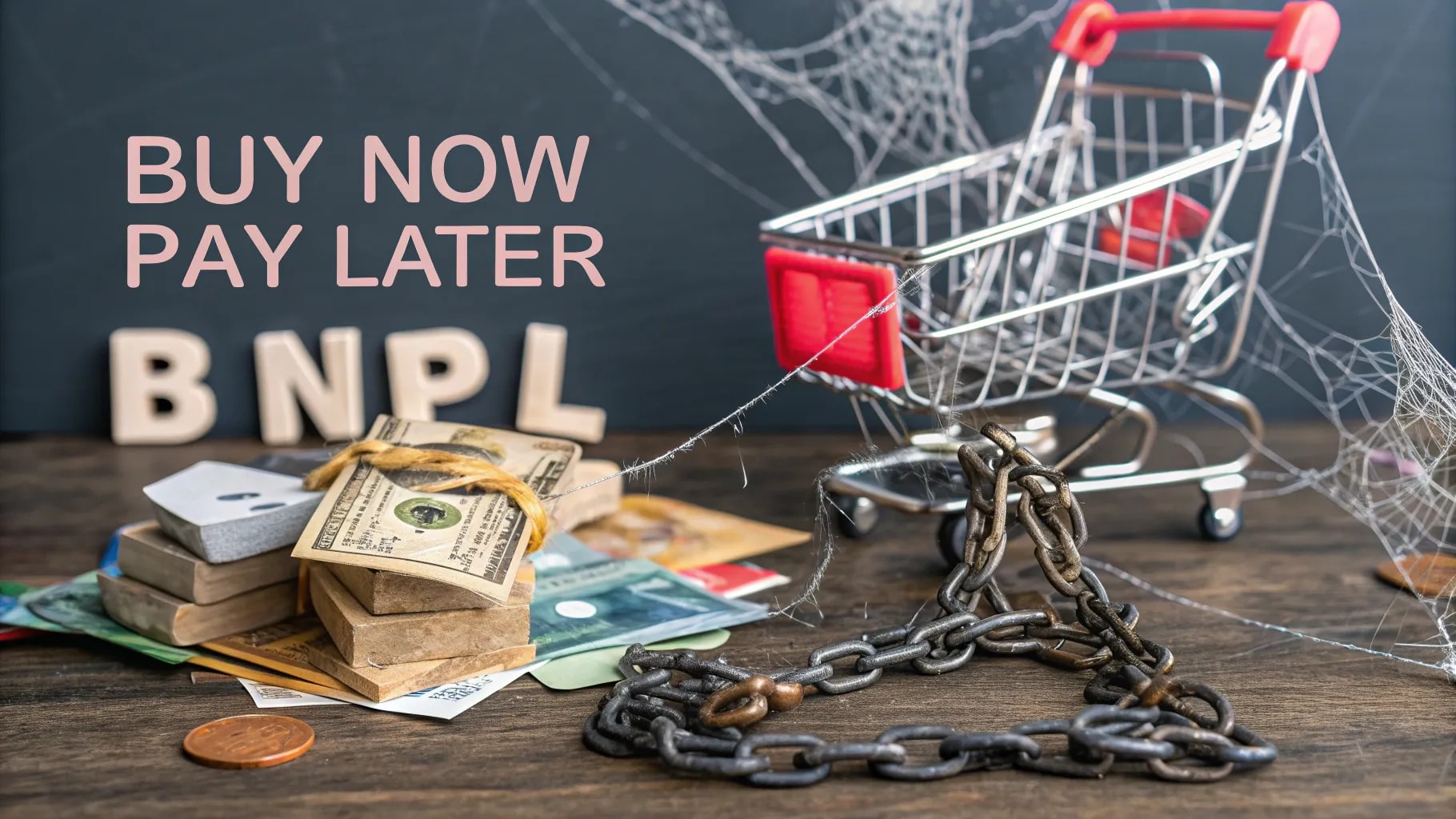
At a macroeconomic level, the rise of BNPL signifies a troubling trend in consumer behavior. With American consumer debt surpassing $5 trillion, many individuals are spending money they do not have, relying on the illusion of affordability that BNPL services provide. This can lead to a precarious financial situation where consumers are unable to meet their obligations, resulting in a potential crisis reminiscent of the housing bubble.
The normalization of debt-driven consumerism also raises questions about the sustainability of the economy. As prices rise and tariffs increase, the ease of splitting payments can mask the underlying financial strain that consumers face. Eventually, these small debts can accumulate, leading to broader economic repercussions.
What Consumers Can Do
Understanding the risks associated with BNPL is crucial for consumers. Here are some strategies to navigate this financial landscape responsibly:
- Educate Yourself: Familiarize yourself with the terms and conditions of any BNPL service you use. Know the fees, the penalties for missed payments, and your total obligations.
- Assess Your Financial Situation: Before using BNPL, ensure you have the funds available to cover the full cost of your purchase. Treat every installment plan as a direct tie to your bank account.
- Limit Usage: Use BNPL sparingly and only for necessary purchases. Avoid utilizing it for impulse buys or non-essential items.
Recommendations for Ecommerce Brands
For ecommerce store owners, the decision to integrate BNPL into their payment options should be approached with caution. Here are some recommendations to consider:
- Offer, Don’t Push: Make BNPL available but do not highlight it as the primary payment option. Let customers choose without feeling pressured.
- Provide Transparency: Clearly communicate the potential risks associated with BNPL on your website. Inform customers about late fees and other charges they may incur.
- Track Customer Behavior: Monitor the behavior of customers who use BNPL. Understanding their patterns can help manage returns and customer service inquiries more effectively.
Conclusion
Buy Now Pay Later services may offer immediate gratification and a seemingly easy payment solution, but they come with significant risks that consumers and businesses alike must acknowledge. As the popularity of these services continues to grow, it is essential to foster an environment of transparency and education surrounding financial decisions. By promoting responsible usage and understanding the potential pitfalls, consumers can navigate this landscape more effectively, while businesses can build long-lasting relationships with their customers based on trust, rather than quick financial gains.
FAQs
What is Buy Now Pay Later (BNPL)?
BNPL is a payment option that allows consumers to make purchases and pay for them over time in installments, usually without interest.
Are there any risks associated with BNPL?
Yes, risks include accruing debt, missing payments, and incurring late fees, and lacking consumer protections compared to traditional credit cards.
How can I avoid falling into a debt trap with BNPL?
Educate yourself about the terms of the service, assess your financial situation before using it, and limit your use to essential purchases.
Should ecommerce brands offer BNPL?
While it can boost sales, brands should approach it carefully, ensuring transparency and not pushing it as the primary payment option.
What are the long-term implications of widespread BNPL usage?
Widespread BNPL usage could lead to a financial crisis as consumers accumulate debt they cannot manage, reminiscent of past economic bubbles.
