

Whatnot is a live shopping app where people buy and sell in real time. Instead of static product pages, you run an open sale stream, react to chat, and compete in timed auctions. That format changes how buyers decide, how sellers build trust, and how repeat purchases happen.
This guide explains how Whatnot works, why it can outperform other sales apps in the right niches, and a practical plan to start selling. It also covers common mistakes, pricing tactics, and what to do before your first live show.
Table of Contents
- What Whatnot is and how live selling works
- Why Whatnot can drive better repeat buying than “feed based” shops
- The auction mechanic that keeps live sales moving
- Which niches do best on Whatnot
- Who Whatnot is for
- How to get approved and set up to sell
- Plan your first Whatnot show before you go live
- Pricing strategy that works in live auctions
- How to build trust in the room
- How to get more buyers to return to your next show
- Seller workflow after a show
- Common mistakes new Whatnot sellers make
- How to scale from part time to full time
- FAQ about Whatnot live selling
- Takeaways and next steps
What Whatnot is and how live selling works
Whatnot runs live sale rooms. When a sale starts, a seller posts items for bidding or other live sale formats. Buyers join the room in the app, watch the items, and use chat and bids to participate.
Most live shows follow a simple flow:
- Start the stream and introduce the items or collection.
- Show the item clearly with good lighting and close ups.
- Run the sale using timed auctions or other Whatnot listing types.
- Answer questions in chat and handle any issues fast.
- Record results and ship sold items on time.
The key difference from common online shopping is the real time loop. A buyer can ask about condition, ask about authenticity, and hear how the seller answers right now. That reduces guesswork and makes buyers more comfortable buying from people they recognize.
Why Whatnot can drive better repeat buying than “feed based” shops
Many commerce apps rely on a feed. Each sale can feel like a one time event. Buyers may find you due to an algorithm, then never see your shop again.
Whatnot works more like a weekly store visit. Buyers choose a room because they want that seller or that category. When the seller returns, the same audience can show up again. This can lead to higher repeat rates for sellers who show up consistently and build a clear show format.
That does not mean every show prints money. It means buyers often return with a stronger intent to buy than they would on a feed.
The auction mechanic that keeps live sales moving
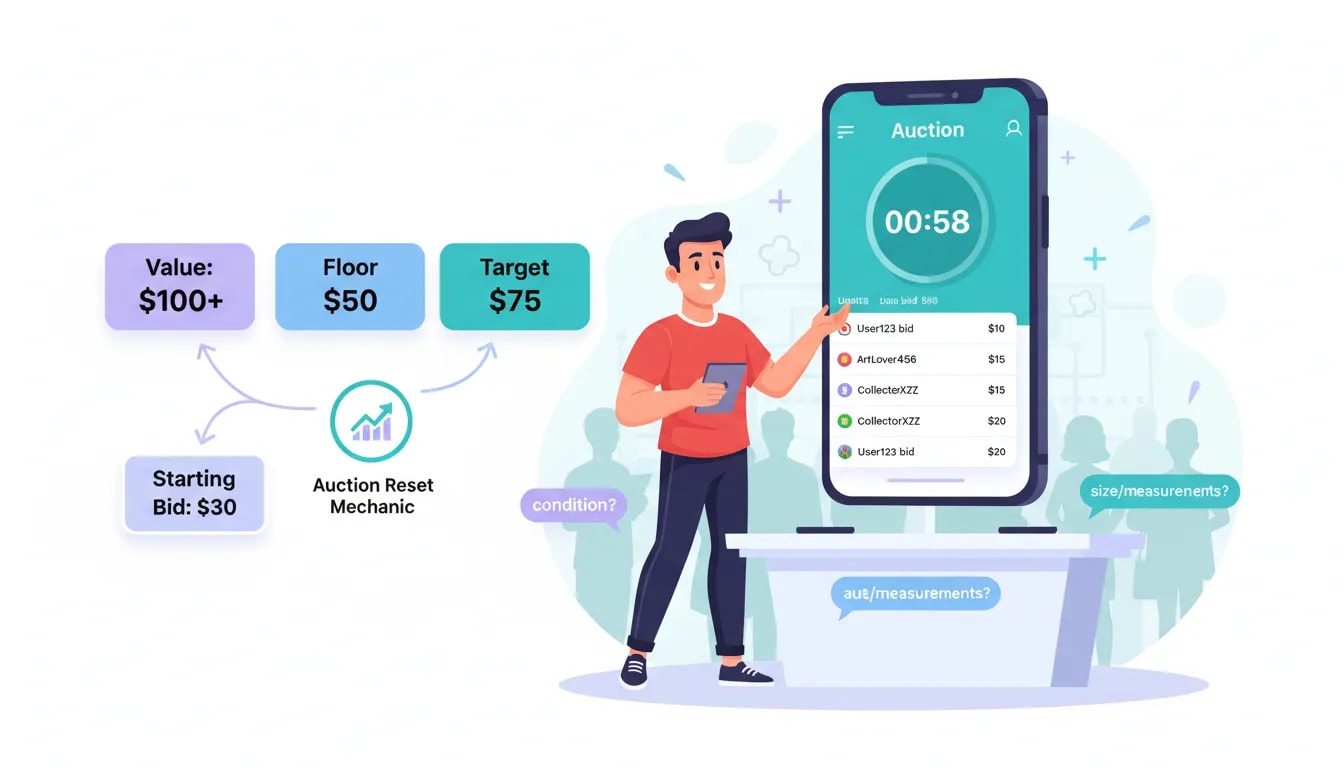
Timed auctions drive speed. A timer ends the sale. In some auction formats, the sale clock resets when new bids land. That mechanic creates urgency. It also creates a clear reason to keep bidding instead of waiting for “later,” because later may not exist.
To compete well in these auctions, plan your approach before the show:
- Know your floor price. Decide the minimum you will accept per item or lot.
- Group items smart. Some niches sell best as lots. Others sell best as single items.
- Set starting bids that make sense. Too high can scare buyers. Too low can attract attention but can also cut your margin.
- Control your pace. A good pace keeps buyers engaged. A slow pace causes chat drop off.
Which niches do best on Whatnot
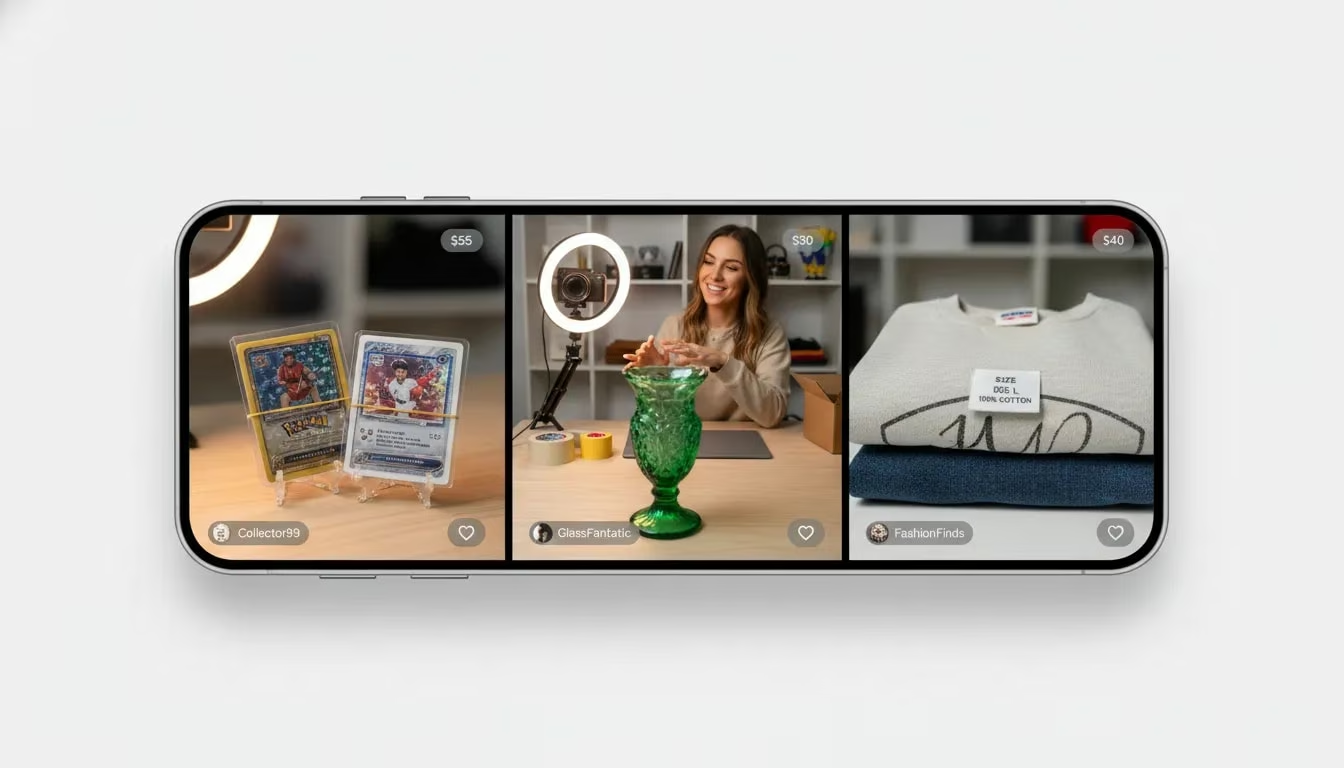
Whatnot supports many categories. In practice, it often works best when buyers want a live look at item condition, a clear explanation, and fast Q and A.
Niches that tend to fit well include:
- Collectibles where condition and details matter.
- Trading cards and card lots where buyers want close inspection.
- Fashion and resale lots when fit, size, and fabric details drive value.
- Collectible glassware and vintage goods where authenticity and history matter.
- Small specialty inventory where a seller can be a guide, not just a listing.
If your items sell well with clear visuals and clear info, Whatnot can help. If your items sell mainly due to broad brand traffic, you may need a stronger plan for repeat buyers and show quality.
Who Whatnot is for
Whatnot can fit different seller types:
- Resellers who already source inventory and want a direct sales channel.
- Specialty experts who know a category and can explain it fast.
- Small business owners who can run a consistent schedule and ship quickly.
- Collectors with spare items who want to sell with trust and transparency.
You do not need millions in inventory. You need a plan for show flow, clear item presentation, and honest descriptions.
How to get approved and set up to sell
Approval steps can vary over time. In most cases, you need to apply in the app and provide information that shows you can sell responsibly. Sellers often need:
- A link or proof of existing selling activity on major marketplaces.
- Clear pictures or a short video that shows your inventory.
- A short explanation of what you plan to sell and why you can add value.
After you get accepted, onboarding often includes steps that help new sellers prepare for their first live stream and handle payments and shipping correctly.
Plan your first Whatnot show before you go live
Your first show often feels awkward. That is normal. Your goal is not to perform perfectly. Your goal is to create a show buyers can understand fast and trust after they buy.
Build a show structure you can repeat
Most strong shows follow a repeatable pattern. A simple template works for many categories:
- Welcome and rules: who you are, what items are up, and how bidding works.
- Condition check: quick notes on grading, wear, defects, and packaging.
- Small lots first: start with items that sell fast to gain momentum.
- Big items next: save higher value pieces for later when chat energy rises.
- Final push: end with a few items that can get last minute bids.
Pre batch your inventory
Do not walk into a sale with loose piles and unclear order. Buyers notice delays. Create batches:
- Group by category and condition.
- Label each group if you manage multiple piles.
- Plan your lot size so each item looks like it belongs in that group.
Set up your camera and lighting
Good visuals win bids. Use these checks before you start:
- Light: place a light source so items look crisp, not washed out.
- Stable angle: keep the camera steady or use a mount.
- Close up time: show key details, not just a full item view.
- Background: use a clean background so buyers can focus.
Write a short “truth script” for item notes
Many sellers lose trust when they ramble or forget details. Instead, prepare a short checklist you can speak clearly:
- What the item is
- Size or specs
- Condition and flaws
- Packaging and protection
- Any exclusions or notes
Keep it short. Speak it the same way each time. That consistency reduces confusion.
Pricing strategy that works in live auctions
Pricing on Whatnot differs from flat listings because buyers see your pacing and your auction format. If you price blind, you can undercut your own margin or fail to attract bids.
Use three numbers for every lot
Before you list an item or lot, pick:
- Your value: what you believe the lot is worth based on comparable sales.
- Your floor: the minimum you accept.
- Your target: the price you would like to hit based on your auction style.
Starting bids can land above the floor over time. The reset mechanic can push prices fast. Your job is to make the auction competitive without selling at a loss.
Start with lots that attract questions
In live sales, chat grows when buyers ask about condition, sizing, or authenticity. Lots that invite questions often sell better than items that need no explanation.
For example, fashion lots can drive questions about measurements and fit. Collectibles can drive questions about wear, markings, or provenance. Choose items that let you provide real info, not vague promises.
How to build trust in the room
Trust is not a slogan. It comes from clear actions:
- Answer questions fast and do not guess. If you do not know, say so.
- Show defects under good light, not hidden in shadows.
- Use honest language for condition and history.
- Ship on time and package items properly.
- Be consistent: same format, same clarity, same standard.
One buy can work once. Repeated sales usually come from trust built over multiple shows and follow ups.

How to get more buyers to return to your next show
Returning buyers often come from three factors: a reliable show schedule, a clear reason to buy from you, and a predictable experience.
Pick a schedule you can keep
Show up regularly. Do not chase novelty. If you post random times, buyers can not plan to meet you.
Start with a small schedule you can sustain, such as one show per week, then expand after you can maintain quality and shipping.
Use consistent show titles and themes
Buyers decide fast. Make it easy to know what you will sell. A theme also helps you organize inventory.
Examples of show themes by category might include:
- “New arrivals” in your niche
- “One brand special”
- “Budget picks” for a price range
- “Collector picks” for higher end items
Keep theme names clear. Avoid vague names that hide what buyers get.
Run a repeat customer hook
Repeat buyers love a reason to return that feels earned. Common hooks include:
- Next week follow ups on a category they asked about
- New inventory drops that match what they bought before
- Careful packaging upgrades for certain tiers of sales
- Limited quantity items that cannot be replicated easily
Do not make promises you can not fulfill. Quality beats hype.
Seller workflow after a show
Live selling ends when your buyers receive their items. Your system should cover the time right after the show closes.
Use a shipping checklist
- Confirm order details and addresses
- Pack items with protection for the item type
- Include any required paperwork and labels
- Drop off shipments within your chosen time window
- Document packing and shipping if disputes happen
This part matters because any shipping delay can hurt the trust cycle you worked to build.
Common mistakes new Whatnot sellers make
Most early failures come from predictable gaps. Avoid these issues.
1. Poor lighting and unclear close ups
If buyers can not see details, they bid less or they stop returning. Upgrade lighting before you buy more inventory.
2. Over promising condition
Live sales reward honesty. If an item has a flaw, show it and describe it clearly.
3. Too many pauses while you search
Waiting on an item wastes the auction energy. Pre batch inventory and keep items grouped and easy to grab.
4. Inconsistent show schedule
Returning depends on planning. Buyers can not join your room if you appear randomly.
5. Starting with a niche but selling like a general store
If you pick a niche, sell it with an expert approach. Explain fit, condition, grades, or materials. Buyers come for knowledge and confidence.
6. Pricing too high too early
New sellers often price like they want to be safe. In live auctions, you can feel too expensive and slow down bidding. Test pricing and refine after you see how bids land.

How to scale from part time to full time
Scaling on Whatnot comes from three levers: volume, show quality, and inventory sourcing.
Improve show quality before you increase volume
More shows can amplify any problem. Tighten your process first:
- Camera setup
- Item presentation and notes
- Lot sizes and themes
- Chat handling speed
- Shipping routine
Track results by category and lot type
Not every item performs the same. Keep simple records:
- What category sold best
- What lot size drove the most bids
- Average sell price versus your floor
- Return behavior after first purchase
Use that data to choose inventory that fits your room.
Source inventory that matches your next show theme
Scaling fails when inventory does not match your show format. Instead of buying random stock, build a sourcing plan around your themes.
For example, if your buyers like budget lots, source more items that can fit that tier. If they like high end collector items, source fewer items but prepare for higher expectations and more careful grading or descriptions.
FAQ about Whatnot live selling
How does Whatnot make money as a platform?
Whatnot typically earns revenue through seller fees and related charges tied to transactions. The exact fee structure can vary by category and listing type. For most sellers, the practical takeaway is to model your margin after fees and shipping, not before.
What should I sell first if I am new to Whatnot?
Start with items you can show clearly and describe fast. Choose a category where you can answer questions without researching on the spot. Many new sellers do well with lots that repeat, like consistent brands, common collectibles, or curated fashion sets in defined sizes.
Do I need a large social media following to sell on Whatnot?
A big following can help, but it is not required for sales. Buyers often join based on live shows and specific sellers. Consistent shows, clear item presentation, and honest descriptions can matter more than follower count.
How long should my first Whatnot shows be?
Keep it long enough to cover a complete show experience and short enough to maintain a clean pace. Many sellers start with a plan for a set number of lots and expand later. If you rush or stall, buyers feel it.
How do I set starting bids for auctions?
Pick a floor price based on what you can accept after fees. Then select a starting bid that is low enough to attract bids, but not so low that you lose money if bidding stays quiet. Test your numbers with a small set of items and refine for the next show.
What is the biggest driver of repeat sales on Whatnot?
Repeat sales usually come from trust and consistency. Buyers return when they know what to expect, believe your condition notes, and can rely on fast answers and on time shipping.
How do I avoid disputes or returns?
Show flaws clearly, describe condition in specific terms, and double check measurements and specs. Pack items with protection that fits the item type. After the show, ship quickly and keep records of what you sent.
Takeaways and next steps
Whatnot is a live commerce format that rewards sellers who bring clarity, consistency, and trust. The best way to win is to build a show buyers can understand in seconds, then keep showing up until that room recognizes you.
- Pick a niche you can explain with fast and honest details.
- Prepare show batches so you can move without pauses.
- Improve visuals first with strong lighting and steady camera angles.
- Use a repeatable show structure and keep a schedule you can maintain.
- Ship fast and pack well so buyers trust the next show.
If you want a practical starting plan, choose one category, build five to ten lots you can describe clearly, run one show per week, and use the results to refine pricing, lot size, and show flow.
